

Cost Benefit Analysis for UX Design: How to Make Data-Driven Decisions
How to justify the benefits of UX design to upper management by preparing a cost-benefit analysis.

Design Thinking: An Innovative Solution-Based Approach for User-Centered Design
This article explores the Design Thinking process, a user-centered approach to design that prioritizes understanding users’ needs, perspectives, and pain points.
The Intersection of Emotion and Technology: Using Storytelling and UX Design to Enhance Patient Care
Combining storytelling and UX design can create a more holistic and engaging patient experience.
Innovating Patient Experiences: User Experience Design and Patient-Centered Design
Patient-centered and user-experience designs have become increasingly important in the healthcare industry.
The Importance of Empathy in UX
Empathy mapping is a user-centered design tool that helps UX designers understand users’ needs, emotions, and experiences. By visualizing the user’s perspective and mapping out their thoughts, feelings, actions, and pain points, designers can create more user-centered designs and enhance collaboration within their teams.

Formative and Summative Usability Testing in Healthcare: The Importance of FMEA
This article discusses the importance of formative and summative usability testing in the healthcare industry to ensure the safety and effectiveness of medical devices.

Exploring User Interface Design: Choosing the Right Approach for Your Application
User interface design is essential for creating engaging and efficient applications.
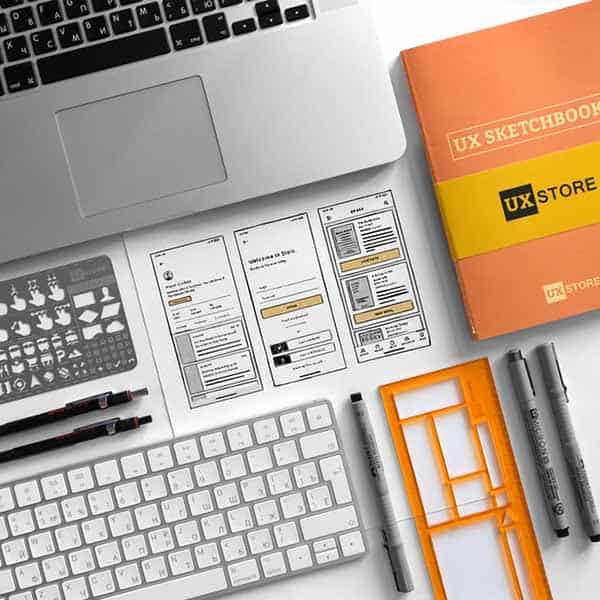
Areteworks- Design Thinking process
Design Thinking is a methodology that provides a solution-based approach to complex problems – especially if the problems are ill-defined.
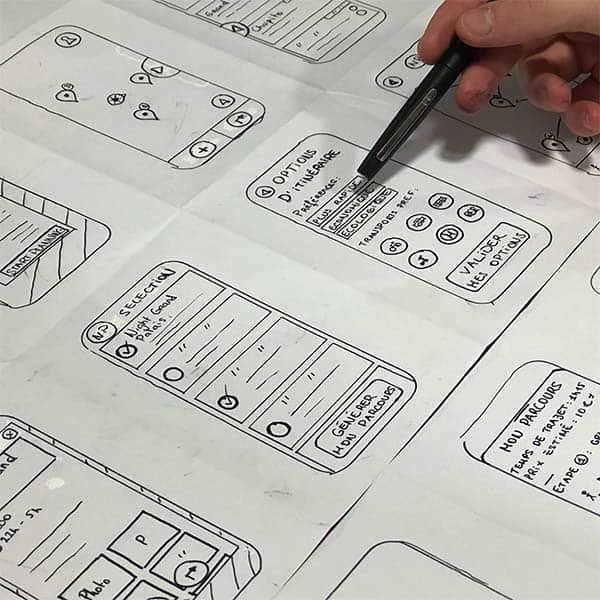
Choosing Between Wizards and Forms: Pros and Cons for Desktop and Mobile Applications
Wizards and forms are two standard methods used for collecting information from users.
User Experience Design
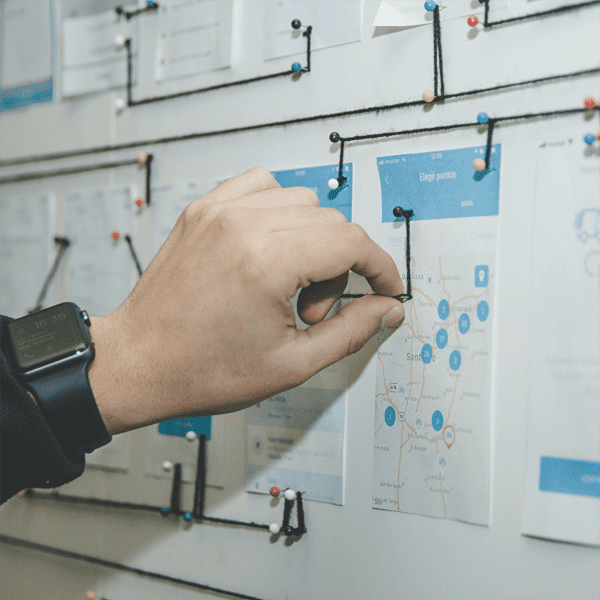
The most critical element in User Experience Design is understanding users’ needs and frustrations and translating them into intuitive user journeys. An example is Thermo Fisher’s (TFS) OMNIC Paradigm project- a scientific materials analysis application that intuitively and quickly provides material characterization, identification, and verification. TFS needed an intuitive system that would work seamlessly with multiple hardware.…
Innovation Workshops – Inspiring UX solutions
Innovation Workshops consists of idea generation exercises that promote creative user experience solutions for meeting user needs and solving their pain points.

Healthcare UX Design trends | UX Design Company
Recent trends in healthcare UX design prioritize speed, privacy, innovation, personalization, and perhaps most importantly, an intuitive and safe mobile-first approach.